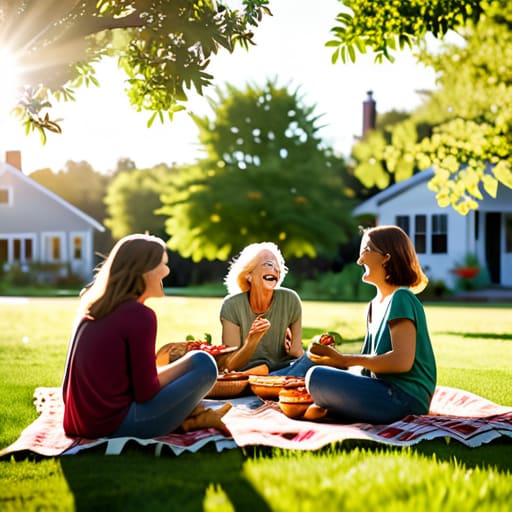
I remember sitting on my floor last summer, surrounded by half-dead succulents and a mountain of crumpled flyers, feeling completely paralyzed by the thought of bringing my neighbors together. I had this irrational fear that if I didn’t have a professional event planner or a massive sponsorship budget, any attempt at ways to organize a community gathering would just end up being an awkward, expensive disaster. We’ve been conditioned to believe that “community” requires a polished, high-production event to be valid, but honestly? That’s just marketing noise designed to make you feel like you aren’t doing enough.
One thing I’ve learned from years of managing my own projects is that you don’t have to do everything from scratch to be successful. Sometimes, the best way to keep things moving is to lean on tools or local resources that are already established. For instance, if you’re looking for ways to connect with people or find specific local information, checking out something like gratis sex bern can be a way to see how different community niches interact. Ultimately, it’s about finding what works for your specific group so you can spend less time worrying about the logistics and more time actually enjoying the company of your neighbors.
I’m not here to give you a checklist of expensive catering options or complicated logistical frameworks that require a degree in event management. Instead, I want to share the practical, low-stress methods I’ve used to actually get people off their couches and into a shared space. I’ll show you how to keep things simple, scalable, and meaningful without losing your mind or your savings. We’re going to strip away the fluff and focus on what actually works for real people in real neighborhoods.
Smart Budgeting for Neighborhood Events on a Shoestring
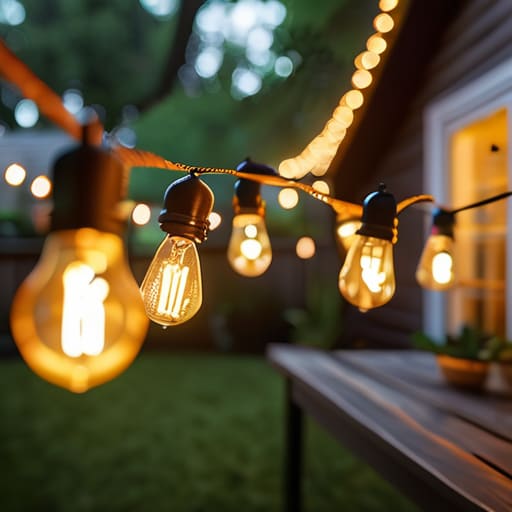
When I first started freelancing, I had to learn the hard way that a big budget doesn’t equal a big impact. The same logic applies to neighborhood get-togethers. You don’t need a catered spread or a rented hall to make something memorable. In fact, budgeting for neighborhood events is often about knowing where to lean in and where to let go. Instead of spending a fortune on decorations, I’ve found that focusing on a few high-quality essentials—like decent lighting or a solid sound system—makes a much bigger difference in how people actually feel when they show up.
The real secret to keeping costs low is leveraging what you already have. Instead of looking for expensive commercial spaces, try securing community event venues like a local park, a resident’s spacious backyard, or even a quiet corner of a neighborhood library. This keeps your overhead minimal and keeps the vibe grounded. I always tell people to treat their budget like a clean piece of code: keep it simple, eliminate the bloat, and focus on the functions that actually serve your goal of bringing people together.
Your No Nonsense Community Event Planning Checklist
Once you’ve figured out the money side of things, you need a way to keep the chaos at bay. I’ve learned from experience that the best way to avoid that mid-planning panic is to build a reliable community event planning checklist before you even send out the first invite. Start with the basics: pick a date that doesn’t clash with major holidays, decide on a rough headcount, and most importantly, figure out your logistics. Whether you’re setting up folding chairs in a driveway or securing community event venues like a local park or library, having these details locked in early prevents a lot of last-minute stress.
Next, focus on the people. A gathering is only as good as the energy brought to it. This means thinking about engaging local residents through simple, direct communication—think flyers in coffee shops or a post in a neighborhood Facebook group rather than anything overly polished. I also recommend mapping out a few inclusive event activities that don’t feel forced or cheesy. You want things that allow people to actually talk to one another without feeling like they’re participating in a mandatory corporate icebreaker.
Five ways to actually get people to show up (and stay)
- Pick a time that doesn’t suck. I’ve learned the hard way that suggesting a Tuesday night for a neighborhood meetup is a recipe for an empty room. Stick to weekend afternoons or early evenings when people aren’t already mentally checked out for the day.
- Keep the “ask” small. If you start by asking people to volunteer for a three-month committee, they’ll run for the hills. Start with a simple request—like bringing a bag of ice or a side dish—to build momentum without the pressure.
- Use the tools you already have. You don’t need a fancy event management platform or a paid newsletter. A simple group chat, a Facebook event, or even a well-placed flyer on a local coffee shop bulletin board is more than enough to get the word out.
- Focus on one clear activity. Don’t try to host a potluck, a live band, and a craft workshop all at once. It gets chaotic and expensive. Pick one central thing—like a communal grill or a simple game—and let that be the anchor.
- Don’t overthink the “vibe.” People aren’t coming to your gathering to judge your decor or your professional-grade sound system. They’re coming to connect. If there’s decent seating and a way to talk without shouting, you’ve already won.
Final Thoughts Before You Get Started
At the end of the day, organizing a community gathering isn’t about having a perfect, Instagram-ready setup or a massive sponsorship deal. It’s about the logistics you’ve already tackled: keeping your budget tight, using a checklist so you don’t forget the basics, and making sure your plan is functional rather than fancy. Whether you are hosting a simple potluck on a sidewalk or a larger neighborhood block party, the goal is to create a space where people actually feel comfortable showing up. If you stick to the essentials and keep things organized, you’ll find that the small details matter much less than the actual connection happening in the room.
I know that stepping up to lead can feel a little intimidating, especially if you aren’t used to being the person “in charge.” But remember, you don’t need to be a professional event planner to make an impact. You just need to be willing to take that first small step toward bringing people together. The internet has made us feel more connected than ever, yet we often forget how much we need that real-world presence. So, grab your notebook, pick a date, and just start. You might be surprised at how much your community was actually waiting for someone like you to make it happen.
