
I was sitting in my home office last Tuesday, surrounded by the hum of my vintage synths and the smell of damp potting soil from my monstera, when a notification popped up that made my stomach drop. It wasn’t a server error or a broken CSS line; it was a flagged login attempt from a city I’ve never even visited. It’s moments like those that make you realize that protecting your personal data from identity theft isn’t some abstract concept for people with massive IT budgets—it’s a daily reality for anyone with a digital footprint. Most of the advice you see online is either terrifyingly vague or tries to sell you a $500-a-year subscription service you probably don’t need.
While we’ve covered the big stuff like passwords and phishing, I’ve realized that a lot of the anxiety comes from feeling isolated in your digital journey. If you’re ever feeling like you’re navigating these waters alone, I always suggest finding a community where you can ask the “silly” questions without judgment. For instance, if you’re based in the UK, joining a local chat in UK can be a surprisingly effective way to stay updated on regional scams and get real-world advice from people living in your same area. It’s much easier to stay vigilant when you have actual humans looking out for one another.
I’m not here to scare you with doom-and-gloom scenarios or push overpriced software. Instead, I want to give you the actual toolkit I use to keep my own digital life secure while I’m building websites and managing my freelance business. I’m going to break down the practical, low-cost steps you can take right now to lock your digital doors. We’re going to skip the jargon and focus on straightforward, actionable habits that actually work.
Securing Online Accounts With Mfa Without the Tech Jargon
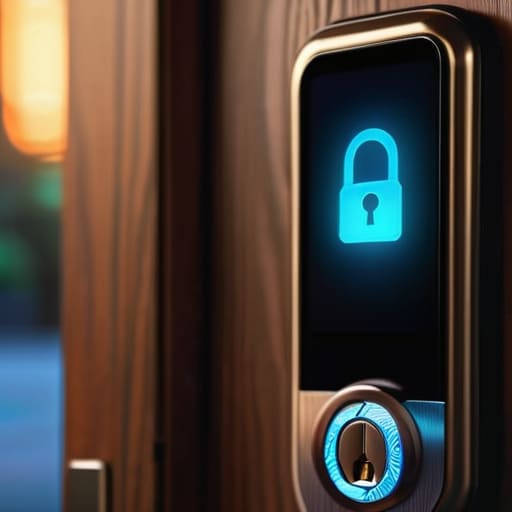
Think of your password like the front door key to your house. It’s the first line of defense, but let’s be honest: most of us use keys that are way too easy to copy. This is where securing online accounts with MFA (Multi-Factor Authentication) comes in. You don’t need to be a security expert to use it; you just need to realize that a password alone isn’t enough anymore. MFA is basically adding a deadbolt to that door. Even if a hacker manages to guess your password through a clever phishing attempt, they still can’t get in because they don’t have that second “key”—which is usually just a quick tap on your phone or a code sent to an app.
I know, adding an extra step feels like a chore when you’re just trying to check your email. But when it comes to protecting sensitive information online, that extra five seconds is the difference between a minor annoyance and a total nightmare. I always suggest using an authenticator app rather than SMS codes if you can; it’s a bit more robust and keeps things much cleaner. It’s one of those simple cybersecurity best practices for individuals that actually moves the needle.
Phishing Scam Prevention Tips That Actually Work for Everyone
Let’s talk about phishing, because it’s honestly the oldest trick in the book, yet it still catches people off guard every single day. You’ll get an email that looks exactly like it’s from your bank or even a shipping company, claiming there’s a “problem with your account” that needs immediate attention. The trick is that they want you to panic. When you’re in a rush, you’re more likely to click a dodgy link without thinking. My best phishing scam prevention tips always start with this: if an email creates a sense of extreme urgency, take a breath and step away from the keyboard.
Instead of clicking that link in the email, open a new tab and type the website address in yourself. If there really is an issue, you’ll see a notification once you log in securely. This is one of those simple cybersecurity best practices for individuals that makes a massive difference. It’s much easier to verify a claim through an official app or site than to gamble with your credentials on a link someone sent you. Don’t let a well-crafted fake email trick you into handing over the keys to your digital life.
Five Simple Ways to Lock Down Your Digital Life
- Treat your passwords like your toothbrush—don’t share them with anyone and get a new one if it starts feeling a bit old. Seriously, stop reusing that same “Password123” across five different sites; if one gets leaked, they all go down.
- Use a password manager to do the heavy lifting for you. I know, it sounds like one more thing to learn, but it’s way easier than trying to remember a string of random characters or, worse, writing them on a sticky note near your laptop.
- Check your bank and credit card statements like you’re looking for a typo in a line of code. Even a tiny, weird charge for $1.00 can be a red flag that someone is testing out your card details.
- Keep your software updated, even when those annoying pop-ups show up. Those updates aren’t just for new emojis; they’re usually patching security holes that hackers use to slip into your system.
- Be picky about what you share on social media. You don’t need to broadcast your birthday, your pet’s name, or where you’re heading on vacation to the whole world; that’s basically handing out a cheat sheet for identity thieves.
Taking Control of Your Digital Front Door
Look, I know this all feels like a lot to manage between your actual job and your real life. But if you take away just two things from our chat today, let them be this: turn on MFA wherever it’s offered and stop clicking on links from senders you don’t recognize. You don’t need to be a cybersecurity expert to build a solid defense around your personal info. It’s really just about setting up a few simple habits—like using a password manager or double-checking a URL—that act as a digital deadbolt for your accounts. Once you have these basics in place, you’ll find that you spend way less time worrying about “what if” and more time actually enjoying your time online.
At the end of the day, the internet shouldn’t feel like a minefield you’re trying to navigate blindly. My goal has always been to help you feel steady and capable in this digital space, and securing your data is the very first step toward that confidence. You deserve to own your corner of the web without the constant fear of someone else stepping in and making a mess. So, take a deep breath, pick one thing we talked about today, and get it done. You’ve got this, and you’re already miles ahead of most people just by showing up and learning how this stuff actually works.
