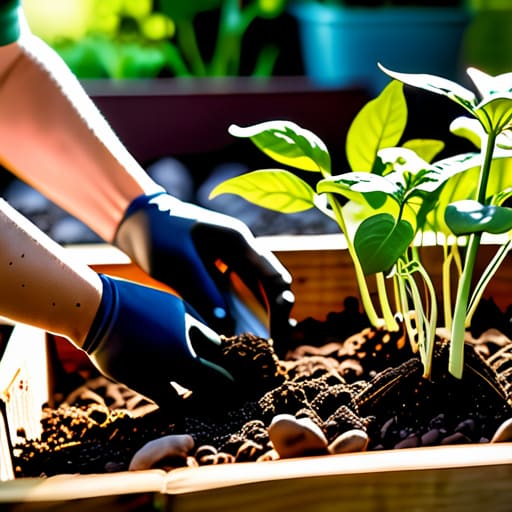
I spent my morning surrounded by the hum of my vintage synths and the quiet rustle of my pothos leaves, but my mind kept drifting back to a massive mistake I made years ago. I used to think that learning how to start a vegetable garden required a specialized irrigation system, expensive raised beds, and a stack of textbooks that cost more than my first laptop. I fell for the hype that you needed to be some kind of horticultural expert just to grow a single tomato, and honestly, it was exhausting.
I’m not here to sell you on a lifestyle brand or a thousand-dollar starter kit. My goal is to show you that growing your own food is a lot like building a simple website: once you strip away the jargon and the unnecessary bells and whistles, it’s actually quite manageable. I’m going to walk you through the real, unvarnished steps of how to start a vegetable garden using nothing more than basic dirt, some decent sunlight, and a bit of patience. This is about practicality over perfection, and I promise to keep it simple.
The Best Vegetables for Beginners and Low Cost Setup
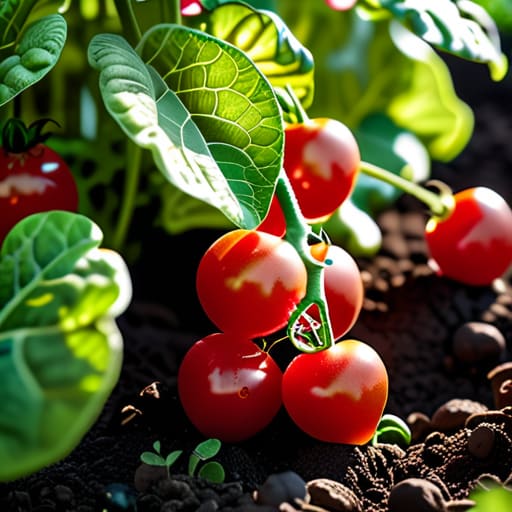
When you’re first starting out, I recommend avoiding the “more is better” trap. It’s easy to get swept up in a massive shopping list at the garden center, but you’ll save a lot of money and sanity if you stick to the best vegetables for beginners. I personally swear by radishes, lettuce, and cherry tomatoes. Radishes are basically the “Hello World” of gardening—they grow incredibly fast, so you get that instant gratification. Lettuce is similarly forgiving, and cherry tomatoes are much more resilient than their larger, more temperamental cousins.
You don’t need to invest in expensive raised beds or fancy irrigation systems right away. If you have a patch of ground, focus your energy on vegetable garden soil preparation instead of buying expensive hardware. A little bit of compost and some decent organic matter will do more for your yield than a designer planter ever could. Just make sure you check your vegetable garden sunlight requirements before you dig; most of these easy-win crops need at least six hours of direct sun to actually produce something worth eating.
Smart Raised Bed Gardening Tips for Small Spaces
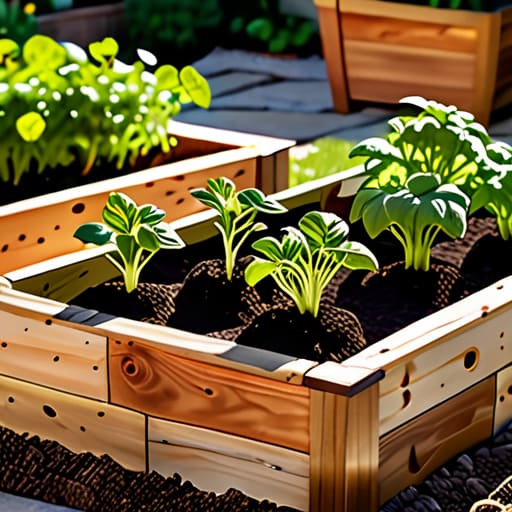
If you’re working with a tiny patio or just a narrow strip of yard, don’t let the lack of square footage intimidate you. Raised beds are honestly a game-changer for small-scale growing because they give you total control over your environment. Instead of fighting with the compacted, rocky dirt in your backyard, you can focus entirely on your vegetable garden soil preparation. I always tell my clients—and my friends—that if you invest in high-quality organic compost and potting mix upfront, you’re doing half the work for yourself. It’s much easier to manage nutrients in a contained box than in the open ground.
Since space is at a premium, you have to be strategic about how you arrange your plants. This is where companion planting for vegetables becomes your best friend. Instead of planting everything in rigid, lonely rows, try tucking marigolds near your tomatoes or basil near your peppers. Not only does this make your garden look more intentional and less like a science experiment, but it also helps manage pests naturally. It’s all about working smarter, not harder, to make every single inch of that bed count.
Five Ways to Keep Your Garden (and Your Sanity) Intact
- Don’t go overboard on day one. I’ve seen so many people buy every seed packet in the aisle, only to realize they can’t keep up with the weeding. Start with two or three things you actually like to eat.
- Watch your sunlight like a hawk. Most veggies need at least six hours of direct sun to actually produce anything worth eating. Before you dig, spend a Saturday observing how the light moves across your yard or balcony.
- Invest in the dirt, not the gadgets. You can buy all the fancy automated irrigation systems in the world, but if your soil is junk, your plants will be too. Spend your money on good compost instead of plastic trinkets.
- Water the roots, not the leaves. It’s tempting to just spray everything down, but getting the foliage wet can lead to all sorts of fungal issues. Aim for the base of the plant to keep things clean and efficient.
- Accept that things will die. Seriously. Even with my IT background, I can’t debug a dying tomato plant. Some things won’t make it, and that’s okay—it’s just part of the learning process.
Getting Your Hands Dirty
At the end of the day, starting a garden isn’t about having a perfectly manicured backyard or the most expensive organic fertilizers on the market. It’s about making smart, manageable choices—like picking easy-to-grow veggies that actually suit your climate and utilizing raised beds to make the most of whatever small space you have. I’ve learned through my own trial and error that simplicity is your best friend when you’re just starting out. Don’t get bogged down in the technicalities of soil pH or complex irrigation systems right away. Just focus on the basics: good sun, decent dirt, and a few plants you’re actually excited to eat. If you keep your setup functional and low-cost, you won’t feel the pressure to make it perfect.
If there is one thing I want you to take away from this, it’s that you don’t need to be an expert to grow something beautiful and edible. Much like building a website from scratch, the hardest part is often just hitting “publish” or, in this case, putting that first seed in the ground. There will be mistakes—maybe a pest eats your lettuce or a tomato plant wilts unexpectedly—but that is just part of the process. Don’t let the fear of failure stop you from claiming your own little piece of nature. Just start small, stay curious, and enjoy the process of watching something grow because of your own hands.
While you’re busy getting your soil pH levels right and choosing the best seedlings, I’ve found that keeping your mind occupied with something completely unrelated can actually be a great way to decompress from the physical labor. Sometimes, when I need a mental break from my plants or my code, I find myself browsing sex personals just to disconnect from the garden for a moment and explore different social connections. It’s all about finding that healthy balance between your outdoor hobbies and your personal life so you don’t burn out.
