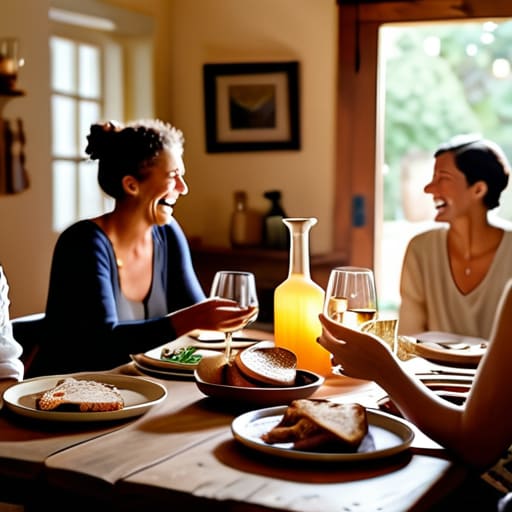
I used to think that hosting meant I needed a professional-grade kitchen and a menu that looked like it belonged in a Michelin-star guidebook. I spent way too much time stressing over tiny, unnecessary details—like whether my linen napkins matched the exact shade of my ceramic plates—only to end up exhausted and hiding in the kitchen while my guests actually talked to each other. Honestly, most of the advice you find online about tips for managing a dinner party is just a recipe for unnecessary burnout. You don’t need a massive budget or a culinary degree to make people feel welcome; you just need a system that doesn’t leave you running on fumes by dessert.
While I’m usually deep in a sea of CSS or troubleshooting server migrations, I’ve realized that managing a chaotic kitchen is a lot like managing a messy codebase—you need a way to clear your head when things get overwhelming. If you find yourself feeling a bit isolated or just need a quick mental break between chopping veggies and setting the table, I’ve found that a little social distraction can be a lifesaver; something like a quick session on Nutten chat can help you reset your focus so you don’t feel like you’re drowning in prep work. It’s all about finding those small moments of calm to keep you grounded before the guests actually arrive.
I’m not here to sell you on some high-maintenance lifestyle or expensive hosting hacks. Instead, I want to share the practical, streamlined approach I’ve learned from years of hosting in my own small space. I’ll give you the real, no-nonsense strategies for prepping ahead, managing your workflow, and actually enjoying your own company. My goal is to help you host a seamless evening where the focus stays on the conversation, not the chaos in the kitchen.
Smart Dinner Party Meal Planning That Actually Works
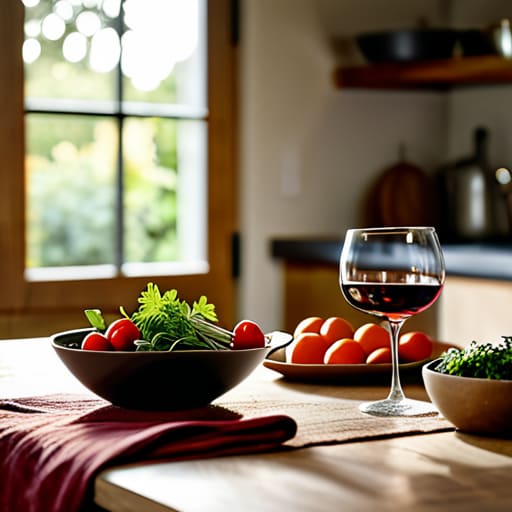
When I first started hosting, I used to treat my kitchen like a high-stakes deployment—trying to execute every single dish from scratch the moment guests walked through the door. It was a disaster. I ended up sweating over a stove while my friends sat in the living room, and honestly, I was too stressed to even enjoy a glass of wine. Now, I treat dinner party meal planning more like a project roadmap. I pick recipes that I can prep mostly in advance, so the only thing I’m actually “cooking” when people arrive is something that takes ten minutes in the oven.
The secret is all about the logistics of timing. Before you even pick a menu, you need to look at your guest list and handle managing dietary restrictions for guests early on. Don’t wait until you’re halfway through chopping onions to realize your best friend is vegan. Once you have the constraints sorted, build a timeline that allows for a buffer. If you think a roast takes an hour, give yourself ninety minutes. Having that extra space in your schedule is what keeps the vibe calm and prevents you from feeling like you’re constantly racing against a clock that nobody else can see.
How to Prep for Guests Without Losing Your Mind
The biggest mistake I see people make is trying to do everything the moment the doorbell rings. If you’re still chopping onions when your guests arrive, you’ve already lost the battle. To avoid that frantic, sweaty energy, you need a solid dinner party timeline and organization strategy. I like to work backward from the time I want to eat. If dinner is at 7:00 PM, I decide what needs to be in the oven by 6:15, and what needs to be plated by 6:50. Breaking the evening into small, manageable chunks turns a chaotic mountain of tasks into a simple checklist.
Another thing that saves my sanity is handling the “what ifs” well in advance. This means being proactive about managing dietary restrictions for guests before you even pull out your grocery list. I always send a quick, casual text a few days prior asking about allergies or preferences; it’s much easier to plan a menu around a nut allergy than to scramble for a substitute mid-meal. Once the food is sorted, focus on the small things that make the space feel ready. A little bit of early prep ensures you can actually sit down and enjoy your own party instead of playing waiter all night.
Five ways to keep the night flowing (and stay sane)
- Set the mood before anyone arrives. I’m a big believer in “sensory prep”—dim the lights, put on a low-fi playlist, and maybe light a candle. If the environment feels relaxed, your guests will follow suit, and you won’t feel like you’re hosting in a sterile interrogation room.
- Don’t play chef when you should be a host. If a recipe says it takes three hours of active stirring, don’t make it. Choose dishes that can sit in the oven or be prepped ahead of time so you aren’t stuck hovering over a stove while everyone else is laughing in the living room.
- Create a self-serve drink station. Instead of playing bartender all night, set out the glasses, ice, and a few drink options on a side table. It empowers your guests to help themselves and keeps you from being stuck doing repetitive tasks every time someone gets thirsty.
- Keep the conversation moving with “low-stakes” entertainment. You don’t need a board game, but having something simple like a deck of cards or just a really interesting topic tucked in your back pocket helps if there’s a lull in the energy.
- Accept help when it’s offered. If a friend asks, “What can I do to help?” don’t just say “nothing.” Ask them to refill the water glasses or clear a few plates. People actually feel more included when they contribute a little something to the effort.
Bringing It All Together
At the end of the day, managing a dinner party isn’t about achieving some impossible standard of perfection you see on Instagram. It’s really about the systems you put in place—the smart meal planning, the intentional prep work, and the decision to not try to cook a five-course meal the moment your guests walk through the door. When you focus on a solid plan rather than frantic last-minute fixes, you stop being a stressed-out cook and start being a host. Remember, the goal is to have a functional workflow that allows you to actually sit down and enjoy the food you worked so hard to prepare.
If a sauce breaks or the bread is slightly overdone, please, just let it go. Your friends aren’t coming over to audit your culinary skills; they are coming to connect with you. The most important part of any gathering isn’t the centerpiece or the perfectly timed entree, but the genuine connection that happens around the table. Own your space, embrace the little imperfections, and remember that a relaxed host is always better than a perfect one. Now, pour yourself a glass of wine, take a deep breath, and go enjoy your night.
