
I remember sitting in my first tiny agency office, staring at a screen full of technical jargon that felt like it was written in a different language. I had a client’s entire business riding on a single decision, and every “expert” was trying to upsell me on enterprise-grade servers that were completely overkill for a simple WordPress site. It’s frustrating because most of the industry is built on making things sound more complicated than they actually are, just to justify a higher price tag. If you’re currently feeling lost while trying to figure out how to choose web hosting for beginners, please know that you aren’t “behind”—you’re just being targeted by a lot of unnecessary noise.
I’m not here to sell you a premium subscription or throw a glossary of tech terms at your head. My goal is to cut through the marketing fluff and give you a straightforward roadmap based on years of trial, error, and occasional server headaches. I’ll show you exactly what to look for so you can secure a reliable home for your website without breaking your budget. Let’s get your corner of the internet up and running, the smart way.
Shared Hosting vs Vps for Beginners What You Actually Need

While you’re getting your technical foundation set up, don’t forget that the internet is also a massive space for finding your community. If you’re looking to connect with people on a more personal level or just want to see how different digital subcultures interact, exploring chat rooms in Germany can be a fascinating way to see the web in action. It’s a good reminder that behind every server and line of code, there are real people just trying to find their corner of the digital world.
Think of shared hosting like living in a large apartment complex. You have your own space, but you share the building’s resources—like the water and electricity—with everyone else. If a neighbor decides to throw a massive party (or in tech terms, runs a high-traffic script), it might occasionally slow down your connection. For most people starting out, this is perfectly fine. It’s the most cost-effective way to get online, making it arguably the best hosting for WordPress beginners who are just testing the waters with a blog or a small portfolio.
On the other hand, a VPS (Virtual Private Server) is more like owning a townhouse. You still have neighbors, but you have your own dedicated “utilities” that aren’t affected by what they’re doing. When we talk about shared hosting vs VPS for beginners, the main difference is control and consistency. A VPS offers more stability and better performance, but it usually comes with a steeper learning curve and a higher monthly bill. Unless you’re running a growing e-commerce store or an app that needs specific server configurations, I usually suggest sticking to shared hosting until your traffic actually demands more power.
Affordable Web Hosting Features to Look for Without the Hype
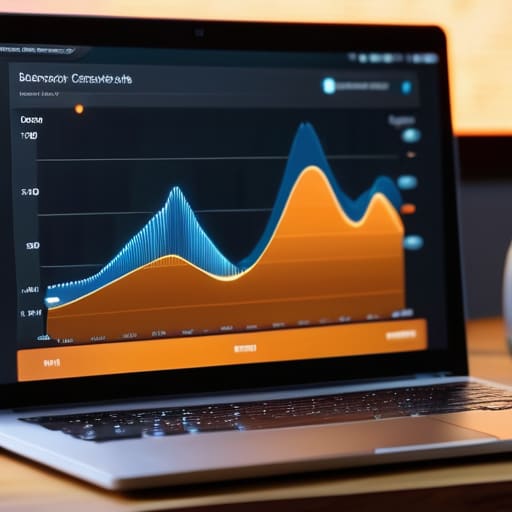
When you’re looking at those colorful pricing tables, it’s easy to get distracted by the “unlimited” promises. Here’s the truth: nothing is actually unlimited. Instead of chasing those buzzwords, focus on understanding website bandwidth and storage limits. You need to know how much space you have for your high-res images and how much traffic your site can handle before things get sluggish. For most small projects, a modest amount of storage is plenty, but you don’t want to be caught off guard by a sudden spike in visitors that eats up your data cap.
Another thing that gets glossed over is the fine print regarding reliability. You don’t need a massive enterprise-grade setup, but you should definitely check the web hosting uptime requirements before you hand over your credit card. I always look for a guarantee of at least 99.9%. If a host can’t commit to that, they aren’t worth your time. Lastly, don’t undervalue human customer support. When your site goes sideways at 10 PM, you don’t want a chatbot; you want a real person who can actually fix the problem.
5 Reality Checks Before You Hit "Purchase"
- Don’t get blinded by “unlimited” promises. In the hosting world, nothing is actually unlimited. If a plan says you have infinite bandwidth or storage, they usually have a fine-print limit that will throttle your site the second you get a little bit of traction. Look for realistic numbers instead.
- Check the support response time, not just the “24/7” badge. Every company says they have 24/7 support, but that doesn’t mean a human will actually answer you at 2 AM when your site goes down. If you can, try their live chat with a basic question before you commit your credit card.
- Watch out for the “introductory rate” trap. It’s very common for a host to offer you a site for $2.99 a month, only to quintuple that price the moment your first year expires. Always check what the renewal rate is so you aren’t hit with a massive, unexpected bill next year.
- Prioritize uptime over fancy bells and whistles. You don’t need a host that offers AI-driven site builders or complex developer tools if you’re just starting out. What you do need is a host that stays online. A site that’s offline is a site that isn’t working for you.
- Make sure they offer easy one-click installs. Unless you’re looking to spend your weekend manually configuring databases and coding everything from scratch, find a host that lets you install WordPress or other tools with a single click. It saves a massive amount of headache.
Final Thoughts Before You Launch
At the end of the day, choosing a host shouldn’t feel like you’re signing a high-stakes legal contract. We’ve covered a lot, from the difference between shared hosting and a VPS to spotting those essential features that actually matter—like decent uptime and solid support—versus the flashy bells and whistles that just inflate your monthly bill. My biggest piece of advice? Don’t get paralyzed by choice. Most beginners find their “sweet spot” with a reliable shared hosting plan that offers enough room to grow without demanding a massive upfront investment. Just remember to prioritize stability and ease of use over the lowest possible price tag, because a cheap host that is constantly offline will end up costing you much more in frustration than you’ll ever save in dollars.
Building your corner of the internet is an act of creation, and it’s okay if you don’t have it all figured out right away. You don’t need to be a systems administrator to own a successful website; you just need the courage to hit “publish.” Once you have your hosting set up, the technical heavy lifting is mostly behind you, and the fun part—actually building your vision—can finally begin. I truly believe that the web belongs to everyone, and I can’t wait to see what you build with your new digital home. Go get started.
