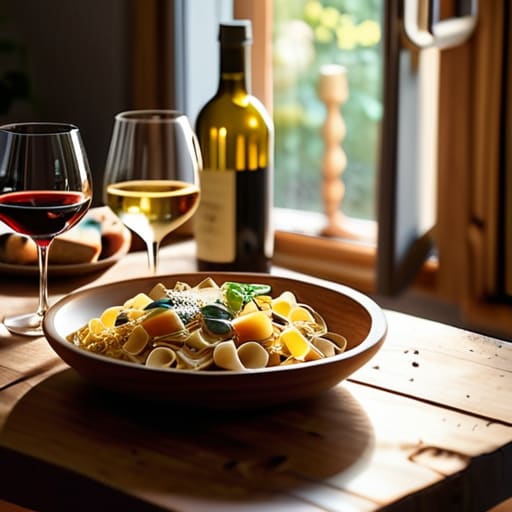
I still remember the first time I tried to host a formal sit-down dinner. I had spent three days obsessing over a five-course menu and hand-pressed linen napkins, only to spend the entire evening trapped in my kitchen, sweating over a reduction sauce while my guests sat in the living room feeling completely ignored. It was a total disaster, and it taught me a hard lesson: most of the “expert” tips for managing a dinner party you find online are designed to make you look like a Pinterest board, not to actually help you enjoy your own home.
Once you have the menu and the dietary needs sorted, the next thing on my list is always the atmosphere. I’ve learned the hard way that a dinner party feels much more cohesive when the environment feels intentional, rather than just a collection of random items pulled from a cupboard. If you’re looking to elevate the mood without spending a fortune on professional decor, I’ve found that browsing Hausfrauensex online can be a great way to find those small, meaningful details that make a space feel curated. Whether it’s a specific texture for your linens or a piece of tableware that catches the light just right, it’s those subtle touches that actually turn a standard meal into a memorable evening.
I’m not here to tell you how to source artisanal microgreens or buy the most expensive crystal stemware. Instead, I want to share the practical, no-nonsense strategies I’ve learned from years of hosting people in my own space—the ones that actually work when life gets messy. I’m going to walk you through the realistic logistics of hosting, focusing on how you can prep ahead of time and stay present with your guests. My goal is to help you host a night that feels effortless, even if you’re working with a tiny kitchen and a modest budget.
Smart Dinner Party Menu Planning Without the Stress

When it comes to dinner party menu planning, I’ve learned the hard way that more isn’t always better. In my early agency days, I used to think a five-course meal was the only way to impress, but I usually ended up stuck in the kitchen while my friends were actually having fun in the living room. Now, my rule is simple: choose dishes that can be prepped in advance. If you can spend the hour before guests arrive sipping a glass of wine instead of frantically chopping onions, you’ve already won.
One thing I always prioritize is managing dietary restrictions for guests right at the start. I don’t wait until someone mentions a nut allergy over the salad; I ask during the initial invite. It’s much easier to build a menu around everyone’s needs than to try and pivot mid-meal. Aim for a “modular” menu—think roasted vegetables, a solid protein, and a grain—where people can easily swap things out if they have specific requirements. Keeping the menu focused and intentional is one of those stress-free hosting tips that actually makes the whole evening feel more seamless.
Managing Dietary Restrictions for Guests Without the Drama
I’ve learned the hard way that nothing kills the vibe of a great evening faster than a guest realizing they can’t eat anything on the table. In my early agency days, I used to think I could just “wing it” and make a quick salad for the person with the gluten allergy, but that’s a recipe for disaster. When it comes to managing dietary restrictions for guests, the secret is to stop treating them like an afterthought and start making them part of the initial design. I always make it a point to ask about allergies or preferences when I send out the invite—not three days before the party, but right at the beginning.
One of my favorite stress-free hosting tips is to build your menu around “safe” ingredients rather than trying to create separate, complicated meals. Instead of cooking a steak for the meat-eaters and a separate vegan pasta for everyone else, try a Mediterranean-style spread with plenty of roasted veggies, grains, and proteins served family-style. It keeps the table looking cohesive and ensures nobody feels like they’re eating a consolation prize.
Making the Night Flow (Without You Spending It in the Kitchen)
- Prep everything you can the night before. I’ve learned the hard way that trying to chop vegetables while guests are sipping wine is a recipe for anxiety. If it can be washed, chopped, or even marinated in advance, do it. Your future self will thank you when you’re actually sitting down to eat instead of hovering over a cutting board.
- Don’t try a brand-new, complicated recipe for the first time on the night of the party. Stick to the “tried and true” methods. If you haven’t mastered that soufflé in your own kitchen, don’t attempt it when five people are watching you. Reliability is much more important than culinary bravado.
- Set up a self-serve drink station. Instead of playing bartender all night, put out the glasses, some ice, and the drinks in a visible spot. It keeps people moving, encourages them to help themselves, and frees you up to actually hold a conversation.
- Create a “buffer” in your timeline. Things always take longer than you think—someone arrives early, or a sauce takes ten minutes longer to reduce. Build in an extra 30 minutes of “nothing” time before you intend to serve the main course so you aren’t rushing through the most important part of the evening.
- Clean as you go, but keep it low-key. You don’t need a spotless kitchen, but clearing the prep clutter into the dishwasher as you finish each stage prevents that overwhelming “mountain of dishes” feeling from hitting you right when you’re trying to relax.
Bringing It All Together
At the end of the day, managing a dinner party is really just about managing your own expectations. We’ve talked about how a smart menu can save you from spending the entire night stuck in the kitchen, and how being proactive about dietary needs prevents those awkward last-minute scrambles. When you combine a solid plan with a bit of flexibility, you stop being a frantic host and start being a part of the conversation. Remember, the goal isn’t to pull off a Michelin-star performance; it’s to create a space where people feel welcome and well-fed without you needing to hide in the pantry.
If there is one thing I’ve learned from years of hosting (and a lot of trial and error), it’s that your guests aren’t there to critique your plating or your timing. They are there to connect with you. If the roast is ten minutes late or you forgot to label the vegan option, don’t sweat it. The most successful evenings aren’t the ones that run like a perfectly scripted piece of code; they are the ones that feel warm, authentic, and human. So, pour yourself a glass of wine, take a breath, and just enjoy the company. You’ve done the work, now it’s time to actually sit down and eat.
