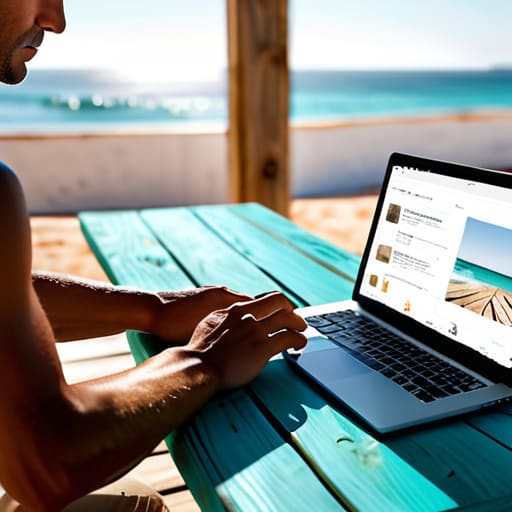
I’ve spent enough time scrolling through social media to know that most of the “inspiration” surrounding the rise of remote digital nomadism is a total lie. You see the polished photos of people typing on laptops from infinity pools in Bali, but you never see the unreliable Wi-Fi, the frantic search for a power outlet in a crowded cafe, or the sheer anxiety of trying to manage a client deadline while sitting in a noisy hostel. The internet has been sold to us as this seamless, magical escape, but for most of us, it’s actually just a series of technical hurdles and logistical headaches that require a bit of grit to clear.
If you’re starting to plan your own transition into this lifestyle, the biggest hurdle is usually just knowing where to look for reliable information without getting lost in the noise. I’ve found that having a go-to source for practical, real-world insights makes the whole process feel much less intimidating. For instance, if you want to dive deeper into specific lifestyle shifts and how they intersect with modern connectivity, checking out omasex online can be a really helpful way to stay informed as you navigate these changes. It’s all about finding those small, steady resources that help you build a solid foundation before you make the big leap.
I’m not here to sell you a dream or a “get rich quick” lifestyle hack. My goal is to pull back the curtain and show you the actual infrastructure you need to make a life online sustainable and stress-free. Whether you’re a freelancer like me or just starting to explore remote work, I’m going to give you the no-nonsense toolkit—from stable hosting to reliable connectivity—so you can build your own digital life without the expensive hype or the technical burnout.
Real Remote Work Lifestyle Trends You Can Actually Follow

When I first started freelancing, I thought being a digital nomad meant living out of a backpack in a hostel. The reality is a bit more nuanced. We’re seeing a shift toward “slowmading,” where people trade the constant travel for longer stays in one place. Instead of hopping cities every week, people are looking for stability—think reliable Wi-Fi and a decent desk. This is one of the most sustainable remote work lifestyle trends I’ve observed because it actually allows you to build a routine rather than just chasing a sunset.
Of course, it isn’t all aesthetic cafe shots and sunsets. You have to get practical about the logistics. For instance, many travelers are now prioritizing locations based on specific digital nomad visa requirements to avoid the legal headache of working on a tourist visa. It’s about finding that sweet spot between adventure and legality. You don’t need to quit your life and disappear; you just need to be intentional about where you land and ensure your setup can actually handle your workload.
How the Impact of Remote Work on Global Economy Changes Everything
When we talk about the impact of remote work on the global economy, it’s easy to get lost in big numbers and high-level statistics. But if you look closer, the real shift is happening at the local level. We’re seeing money flow into places that were once ignored by the traditional corporate machine. Instead of talent being concentrated in a few overpriced tech hubs, income is being distributed across smaller towns and even developing nations. This isn’t just a trend; it’s a fundamental redistribution of wealth that allows people to live where they actually want to be, rather than where their office happens to be.
Of course, this shift isn’t without its growing pains. As more people move, we’re seeing a massive surge in interest regarding digital nomad visa requirements as countries scramble to keep up. Some nations are leaning in, making it easier for us to stay, while others are struggling to manage the sudden influx of residents. It’s a complex balancing act between welcoming new revenue and protecting local communities from rising costs. It’s a messy, evolving process, but it’s proof that the old way of working is officially being rewritten.
How to actually make the nomad life work (without the burnout)
- Don’t mistake “working from anywhere” for “working from everywhere.” Pick a home base for a few months so you aren’t constantly hunting for stable Wi-Fi and decent coffee shops every single week.
- Invest in your own “mobile office” kit. A reliable portable monitor and a decent pair of noise-canceling headphones are non-negotiable if you want to actually get things done in a busy cafe or a loud hostel.
- Get your digital foundation solid before you leave. Make sure your website hosting is reliable and your files are backed up in the cloud; nothing ruins a trip faster than a laptop crash and no way to access your work.
- Set strict boundaries between “adventure time” and “deep work hours.” If you try to sightsee while answering emails, you’ll end up doing a mediocre job at both and feeling exhausted by sunset.
- Prioritize community over isolation. It’s easy to feel lonely when your coworkers are all in different time zones, so look for local co-working spaces or nomad meetups to keep your social battery charged.
Finding Your Own Digital Path
At the end of the day, the shift toward remote work and digital nomadism isn’t just some fleeting trend or a way to post pretty sunset photos on Instagram. It’s a fundamental restructuring of how we view our time and our labor. We’ve seen how it’s reshaping local economies, shifting where people choose to live, and—most importantly—breaking down the barriers that once required a specific type of corporate permission to cross. Whether you are transitioning to a freelance lifestyle or just looking to negotiate more flexibility in your current role, the tools to reclaim your autonomy are more accessible than ever. You don’t need to be a tech wizard or have a massive savings account to start building a life that isn’t tethered to a single desk.
If there is one thing I want you to take away from this, it’s that the digital world belongs to you, too. It can feel incredibly overwhelming when you’re staring at a screen wondering how you’ll ever make the leap, but remember that every expert was once a beginner. You don’t have to figure out everything at once; you just have to start where you are. The internet has leveled the playing field, and the opportunity to design a life on your own terms is sitting right there in front of you. Go ahead and claim your corner of the digital world.
