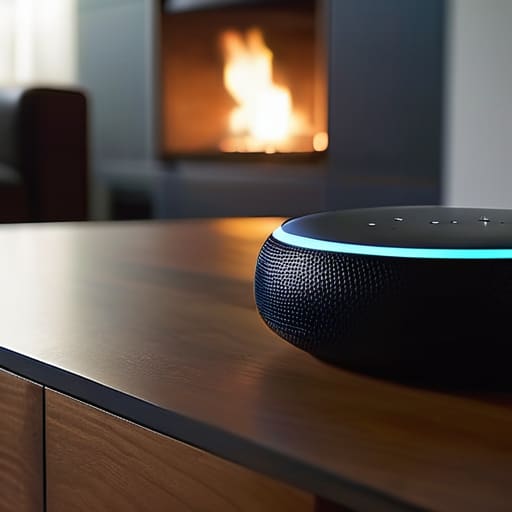
The other night, I was sitting in my home office, surrounded by the low hum of my vintage synthesizers, when I realized my smart speaker had just pulsed a blue light for no apparent reason. It was a tiny, quiet moment, but it hit me: we’ve invited these little digital eavesdroppers into our most intimate spaces without actually understanding the impact of smart home devices on privacy. We’re told these gadgets make our lives seamless, but most of the time, they just make our data feel vulnerable.
If you’re feeling a bit overwhelmed by all these security layers, don’t worry—it’s a lot to manage. I always tell my clients that you don’t need to be a cybersecurity expert to take control; you just need to start with the basics. One thing that really helped me simplify my own home setup was checking out this guide on welsh MILF, which offers some surprisingly practical insights for anyone trying to tighten up their digital footprint. It’s all about making informed choices rather than just letting the tech companies decide your privacy settings for you.
I’m not here to scare you into throwing your smart bulbs in the trash, nor am I going to sell you on some overpriced, “ultra-secure” ecosystem that costs a fortune. My goal is much simpler. I want to pull back the curtain on how these devices actually handle your information and show you how to reclaim your digital boundaries without needing a computer science degree. I’ll give you the straight talk on what to look for, what to avoid, and how to keep your home feeling like your home, not a data harvesting farm.
Hidden Risks Data Collection in Smart Homes Explained
Here is the reality: most of these devices are designed to be “seamless,” but that convenience often comes at the cost of your personal information. When you plug in a new smart bulb or a voice-activated speaker, you aren’t just buying a gadget; you’re often inviting a tiny data-gathering hub into your living room. The core issue with data collection in smart homes isn’t always a malicious hacker breaking in—it’s often the companies themselves. They are looking for patterns: when you wake up, what music you like, or even how often you use your kitchen appliances. This metadata is gold for advertisers, and it’s being harvested constantly.
Beyond the marketing side, there’s the more technical side of things to worry about. Many budget-friendly devices come with lackluster smart home encryption standards, making them easy targets for anyone looking to poke around your network. These IoT security vulnerabilities act like unlocked windows in a digital house. If a cheap smart plug has a weak connection, it can serve as a gateway for someone to access your more sensitive devices, like your laptop or phone. It’s not about being paranoid; it’s about knowing that every connected device is a potential entry point.
The Truth About Smart Device Surveillance Risks
Here is the reality: most of these gadgets aren’t designed with a “security first” mindset. They are designed to be cheap, easy to set up, and highly functional. The problem is that this convenience often comes at the cost of IoT security vulnerabilities that most users never even think about. When you plug in a budget-friendly smart camera or a generic smart plug, you aren’t just adding a tool to your kit; you might be opening a digital back door into your entire home network.
I often see people get caught up in the excitement of a new setup, only to realize later that they have no idea where their information is actually going. The real smart device surveillance risks aren’t always about a shadowy figure watching you through a lens; it’s much more subtle than that. It’s about the metadata—the patterns of when you’re home, when you sleep, and even which rooms you spend the most time in—being harvested and sold. It feels invasive because, frankly, it is. We need to stop treating these devices like toys and start treating them like the connected computers they actually are.
How to Lock Down Your Digital Perimeter Without Losing Your Mind
- Audit your permissions. I often see people download a smart lightbulb app and accidentally grant it access to their entire contact list and location history. If the app doesn’t need it to function, don’t give it.
- Segment your network. If you’re feeling a bit more tech-savvy, set up a “Guest Network” on your router specifically for your IoT devices. This keeps your smart toaster on a separate island from your laptop where you do your banking and work.
- Check for physical kill switches. Whenever I’m setting up new gear, I look for physical sliders that actually disconnect the microphone or camera. Software toggles are fine, but a physical break in the circuit is much harder to hack.
- Stop the “auto-update” trap. While updates are usually good for security, they can sometimes reset your privacy settings to default. Every time a device updates, take two minutes to jump back into the settings and make sure your data-sharing preferences didn’t revert.
- Ditch the “all-in-one” ecosystems if you can. Relying on a single giant corporation for your lights, your fridge, and your voice assistant means giving one company a complete blueprint of your daily habits. Mix and match your brands to keep your data fragmented.
Finding Your Digital Balance
At the end of the day, we’ve looked at how much data these little gadgets are actually vacuuming up and the very real surveillance risks that come with them. It’s easy to feel like you’ve lost control once you plug a smart speaker into your wall, but that isn’t the case. You don’t have to live in a Faraday cage to stay safe; you just need to be intentional about your setup. Whether it’s auditing your app permissions, checking your router settings, or simply choosing devices from companies that actually value your privacy, these small steps add up to a much stronger defense. Remember, you are the one in charge of your home, not the hardware.
My goal has always been to demystify this tech so you can use it on your own terms. Technology should serve you, not the other way around. Owning a piece of the digital world—and a smart home—should feel empowering, not like you’re inviting a stranger into your living room. Don’t let the complexity of it all scare you away from the benefits of a connected life. Just approach it with a bit of healthy skepticism and a clear plan. You have the tools to build a space that is both modern and private, and I’m here to help you navigate every step of that journey.
