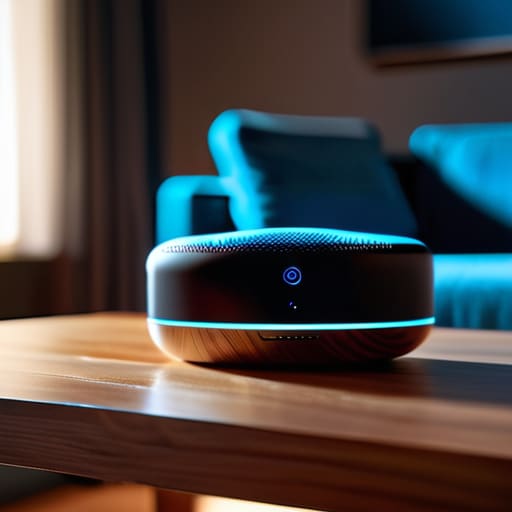
I was sitting in my home office last Tuesday, tending to my monstera and trying to focus on a client’s CSS layout, when my smart speaker suddenly chimed. It hadn’t been summoned; it just… woke up. That tiny, glowing ring felt less like a convenience and more like a uninvited guest sitting in the corner of my room, listening to my every word. It’s one of those moments where the sleek, futuristic promise of automation crashes head-first into the reality of the impact of smart home devices on privacy. We’re told these gadgets are here to make our lives seamless, but nobody tells you how much of your personal life you’re actually trading away for the ability to dim your lights with a voice command.
If you’re feeling a bit overwhelmed by all these security layers, don’t panic—you don’t need to be a cybersecurity expert to take control. I always tell my clients that the best defense is simply being proactive about your digital footprint. For instance, if you find yourself looking for more specific ways to manage your online presence or just want to explore different corners of the web more safely, checking out resources like horny ladies can be a way to see how various niches handle user engagement. Honestly, the most important thing is to stay informed and never assume a device is private just because it came with a sleek manual.
Look, I’m not here to scare you into throwing your smart bulbs in the trash, nor am I going to sell you on some expensive, “ultra-secure” ecosystem that costs a fortune. My goal is simple: I want to pull back the curtain on how these devices actually handle your data. I’ll give you the straight talk on what’s actually being recorded and how you can reclaim your digital boundaries without needing a degree in cybersecurity.
Unmasking the Iot Device Surveillance Concerns in Your Living Room
When I first started working in tech, I used to think of “connectivity” as this purely positive thing—the magic of everything working together seamlessly. But once you start digging into the hardware, the reality is a bit more complicated. When we talk about IoT device surveillance concerns, we aren’t just talking about some far-fetched spy movie plot. We’re talking about the fact that your smart vacuum, your lightbulbs, and your thermostat are all tiny computers, and like any computer, they can be exploited. Most of these gadgets are built for convenience first and security second, which often leaves a wide-open door for smart home vulnerabilities and hacking.
It’s easy to feel a bit paranoid, but I prefer to think of it as being informed. These devices are constantly collecting little fragments of your life—when you wake up, what rooms you spend time in, even the tone of your voice. If a company’s server gets breached, those tiny fragments can be stitched together to create a very intimate map of your private life. It’s not about living in fear; it’s about understanding that protecting personal information in smart homes requires us to be a bit more intentional about what we bring through our front doors.
The Real Smart Home Data Security Risks You Cant Ignore
It’s easy to get caught up in the convenience of a lightbulb that turns on via a voice command, but we need to talk about what’s happening under the hood. When we bring these gadgets into our private spaces, we aren’t just buying hardware; we are often inviting a tiny, unblinking observer into our homes. One of the biggest smart home data security risks isn’t necessarily a cinematic hacker breaking into your camera, but rather the way these companies collect and monetize your habits. They know when you wake up, when you leave for work, and even what brand of coffee you’re brewing.
Beyond just data harvesting, there are much more tangible smart home vulnerabilities and hacking risks to consider. Many budget-friendly devices are built with “convenience first” as the mantra, which often means they skip the robust encryption protocols that a real IT professional would insist on. If a manufacturer doesn’t prioritize regular security patches, your smart plug could become a literal open door for someone to probe your entire home network. It’s not about being paranoid; it’s about understanding that your digital perimeter is only as strong as your weakest, cheapest gadget.
How to take your privacy back without turning your house into a cave
- Audit your permissions like you’re reviewing a messy line of code. Just because a smart lightbulb app asks for access to your contacts and location doesn’t mean it needs them. If it doesn’t serve a functional purpose for the device, hit “deny.”
- Stop using the same recycled password for your router and your smart fridge. If one device gets breached, you don’t want the hacker having the keys to your entire digital life. Use a password manager and treat your IoT devices like the potential entry points they are.
- Check for those pesky automatic updates. I know, it’s annoying when your devices reboot while you’re in the middle of something, but those updates are usually patching security holes that hackers are already trying to exploit.
- Set up a guest network on your router specifically for your smart gadgets. This keeps your “internet of things” on a separate track from your laptop and phone, so if a cheap smart plug gets compromised, the intruder is stuck in a digital sandbox instead of your personal files.
- Mute the microphones when you aren’t using them. If your smart speaker or even your smart TV has a physical mute button, use it. It’s the simplest, most low-tech way to ensure you aren’t being “listened to” during a private conversation.
Taking Back Control of Your Digital Space
At the end of the day, we’ve covered a lot of ground, from the creepy reality of ambient listening to the massive data trails these gadgets leave behind. It’s easy to feel like you’ve already lost the battle once you’ve plugged a smart speaker into your wall, but that isn’t true. Protecting your privacy isn’t about living in a Faraday cage or throwing all your tech in the trash; it’s about being intentional with your setup. Whether it’s updating your firmware, auditing which apps have microphone access, or simply choosing brands that don’t treat your personal life like a product to be sold, these small, disciplined steps make a massive difference in how much of yourself you’re handing over to a corporation.
I know the tech world can feel like a giant, overwhelming machine designed to make you feel small, but I want you to remember something: you are the one in charge of your home. Technology should serve you, not the other way around. You don’t need to be a cybersecurity expert to build a digital life that feels safe and private. By staying curious and a little bit skeptical, you can enjoy the convenience of a connected home without sacrificing your peace of mind. You deserve to own your space—both the physical one and the digital one.
